
Product Roadmap for One: How Indie Founders Prioritize Without a Team or a Process
Without a product manager or a structured process, indie founders default to building whatever feels most urgent or most interesting. Here is how to build a prioritization system that keeps you building the right things.
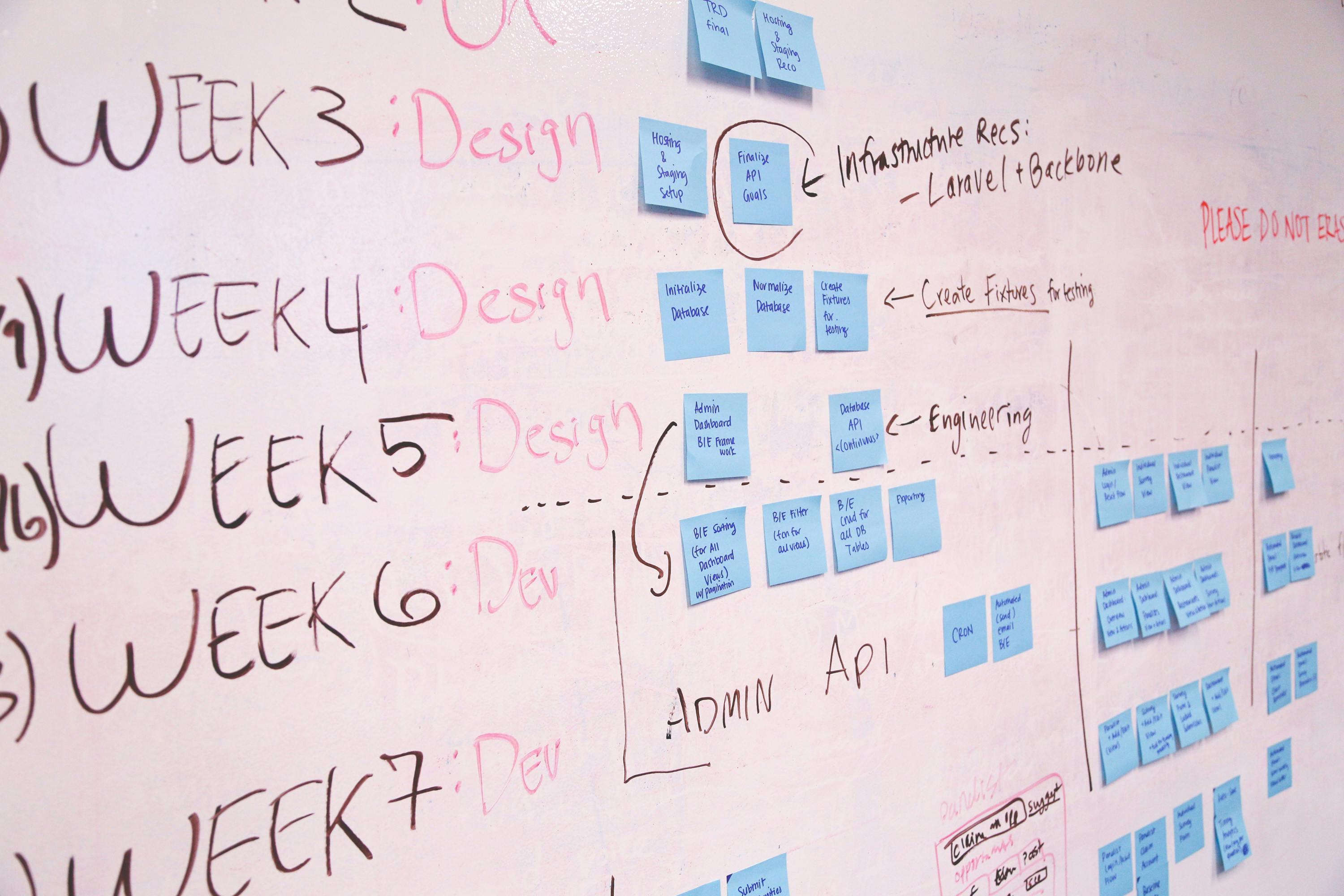
Every indie founder has a backlog. Feature requests from users, bugs that need fixing, infrastructure improvements that keep getting deferred, new ideas that arrived in the shower, and the ongoing list of things that would obviously make the product better if there were only time. Managing this backlog — deciding what gets built, in what order, with what resources — is one of the most consequential and least systematized activities in most solo-run products.
Without a process, backlog management defaults to one of two dysfunctional patterns. The first is urgency prioritization: whatever feels most pressing today gets worked on, regardless of its actual strategic value. The second is novelty prioritization: new ideas get more attention than execution on existing commitments, because new is more interesting than maintaining.
Both patterns produce the same result over time: a product that has been built in many directions without depth in any of them, a changelog that accumulates features without accumulating retention, and a founder who is perpetually busy without making meaningful progress toward the growth metrics that matter.
The Three Categories of Product Work
A functional roadmap system starts by categorizing all product work into three buckets: growth work, core work, and infrastructure work.
Growth work is everything that could directly improve acquisition, activation, or retention. New features that address an unmet need for your target user. Onboarding improvements that reduce activation friction. Fixes to the specific experience problems that cause users to churn in their first week. This work should get the majority of your product development time — somewhere between sixty and seventy percent — because it is the most directly connected to the business outcomes you are trying to move.
Core work is maintenance, bug fixes, and quality improvements to existing features. The product you have shipped needs to continue working reliably as your user base grows, your codebase evolves, and edge cases that were theoretical become real. Ignoring core work creates technical debt that eventually forces itself to the top of the queue at the worst possible moment.
Infrastructure work is everything that does not affect users directly but makes future development faster and more reliable. Refactoring messy code, improving your test coverage, setting up better monitoring, migrating to better tooling. This work is easy to defer indefinitely, but deferred infrastructure work compounds into a drag on development velocity that eventually becomes the dominant constraint on your ability to ship.
The Impact-Effort Scoring System
Within each category, individual items need to be prioritized against each other. A structured scoring system prevents this from becoming a pure judgment call influenced by recency, enthusiasm, or the loudest user voice.
Impact-effort scoring assigns each backlog item two scores: the estimated impact on a key metric if implemented (acquisition, activation, retention, or revenue), and the estimated effort required to implement it. Plot these scores on a two-axis grid. The items in the high-impact, low-effort quadrant are your immediate priorities. The items in the high-impact, high-effort quadrant are your major initiatives. The items in the low-impact quadrants need a very strong argument to make it onto the active roadmap at all.
This scoring does not need to be precise. A rough estimate on a one-to-five scale for each dimension is sufficient to create a relative ranking that is more disciplined than pure intuition. The act of forcing a score makes implicit assumptions explicit and creates a record you can revisit when circumstances change.
The Customer Problem, Not the Customer Solution
One of the most common pitfalls in indie product prioritization is treating feature requests from users as product requirements. A user who requests a specific feature is describing a solution they have imagined, not a problem they have experienced. The solution they imagined may not be the best way to address the underlying problem.
Before adding any user-requested feature to the roadmap, understand the problem behind the request. "You asked for an export button — help me understand what you are trying to do with the data after you export it." The answer to this question often reveals that the user's actual need can be addressed more elegantly, more quickly, or in a way that serves a broader set of users than the specific feature they requested.
This is not about dismissing user requests. It is about ensuring that what gets built addresses the real need rather than the surface-level articulation of a need. The best product decisions come from a deep understanding of user problems — which requires asking the question behind the request rather than simply executing on what was asked.
The Weekly Roadmap Review
A roadmap is not a static document — it is a living set of commitments that should be reviewed and updated regularly as new information arrives. A weekly review of thirty minutes is sufficient to keep it current and actionable.
The review covers three questions. First, what is the status of current work — is anything blocked, behind, or likely to slip? Second, has anything new arrived — user feedback, a competitor move, a metric shift — that should affect priorities? Third, is the current priority ranking still correct, or has something changed that warrants a reorder?
This review disciplines you to see the roadmap as a tool you actively manage rather than a document you create once and abandon. It also creates a regular forcing function for surfacing implicit priority conflicts before they become explicit schedule problems.
Communicating Roadmap Decisions to Users
Users who submit feature requests, bug reports, and suggestions deserve to know what happened to them. A founder who acknowledges requests but never follows up creates the impression that feedback disappears into a void — which discourages the engaged users who are most valuable from continuing to provide it.
A simple monthly or quarterly product update — shared via email or changelog — that describes what was built, what was not built and why, and what is coming next maintains the feedback relationship with your user base. Users who see that their requests were considered, even when they were not built, stay engaged as partners in the product development process rather than passive recipients.
This communication does not require a polished product newsletter. A brief, honest explanation of what you focused on and why you made those choices creates trust and keeps users invested in the product's direction.
Protecting the Roadmap From Outside Pressure
Enterprise feature requests, investor suggestions, partnership requirements, and one-off needs from vocal users all exert pressure on the indie founder's roadmap. Managing this pressure without alienating important relationships is one of the more delicate aspects of solo product leadership.
The practical answer is a defined intake and evaluation process. When an external party requests something specific, your response is consistent: "That is an interesting request — let me understand the use case more fully and evaluate it against our current priorities. I will get back to you with a clear answer within two weeks." This response buys time for genuine evaluation rather than a reactive yes, sets an expectation for when a real answer will arrive, and signals that you have a process rather than making decisions arbitrarily.
The roadmap belongs to the product, not to the loudest voice in the room. Defending it clearly and consistently is a professional responsibility, not a negotiating position.